An AI that notices when your bills go up
Gravel reads the bills and price notices that land in your inbox and texts you when something costs more. Say yes and it is designed to ask for a better rate.
- GravelYour internet bill went from $65 to $89 this month. Want me to ask them for the loyalty rate?
- Youyes
- GravelDone. $60 a month for the next 12 months, starting with your next bill.
Can an AI assistant lower my bills?
It can tell you when a bill needs asking about, and asking is what Gravel is designed to do next. In the example conversation above, your internet bill goes from $65 to $89. Gravel notices and offers to ask for the loyalty rate. After your yes, it reports back: $60 a month for the next 12 months, starting with your next bill.
That is an example, not a promise. Whether a provider agrees is up to the provider. What Gravel adds is the noticing and the asking, so you do not have to find the time.
How does Gravel notice a price increase?
Gravel reads the bills, statements and notices in the email you connect. A bill that jumps, like $65 to $89 in the example, is the kind of thing it texts you about first.
Price increases, overdue notices and statements are worth one text when they arrive. Gravel tells you once and does not repeat itself. If a bill has a due date, you can say yes to a reminder for the day before, at 9 AM. Bills you pay by direct debit are skipped, since they pay themselves.
What about subscriptions like Netflix?
Gravel flags a subscription price rise the way it flags a bill: from the notice that reaches your inbox. In the example morning brief shown here, one of four overnight items reads “Netflix goes up $2 next month.”
Items that can wait arrive together in one short brief instead of four separate texts. Gravel gives you the news and the date. Whether Netflix is still worth it at the new price is up to you.
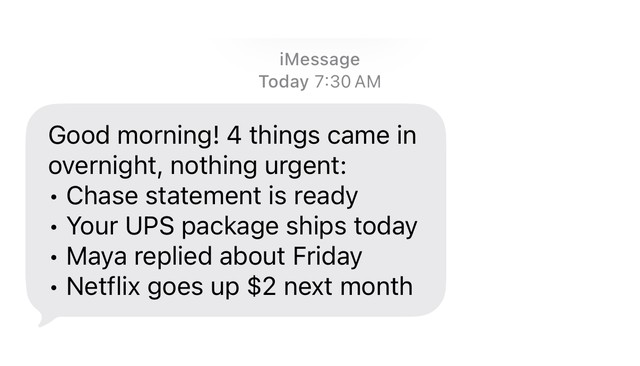
- GravelGood morning! 4 things came in overnight, nothing urgent: • Chase statement is ready • Your UPS package ships today • Maya replied about Friday • Netflix goes up $2 next month
What happens when I say yes?
Gravel is designed to ask the provider for the better rate and report back. In the example the report is one line: “Done. $60 a month for the next 12 months, starting with your next bill.”
The answer is meant to arrive in the same thread where you said yes, with the new rate and how long it lasts.
What stays in my control?
Asking a provider for a better rate means speaking for you, so Gravel checks with you first. It tells you what it plans to do, and nothing goes out until you say yes. Anything that costs money needs your yes too.
During early access, Gravel may hand you the last step, with the details ready, instead of finishing it itself.
When Gravel acts for you, it presents itself as an AI assistant, never as a person. For each kind of action you pick one of four levels: just do it, only when I ask, ask me first, or hand it to me. Gravel starts read-only. Text “pause” and all background work stops. The guide to autonomy levels has the detail.
What does Gravel need to watch my bills?
Your email is enough to start. Gravel reads bills and notices from Gmail and Outlook (you sign in with Google or Microsoft), plus iCloud Mail, GMX, WEB.DE, T-Online, freenet, mailbox.org, Posteo and other IMAP mailboxes with an app password. It does not connect to your bank, so it sees a bill when the provider emails it to you.
It starts read-only and asks for more access the first time it needs it. Your data is encrypted with a key that belongs to your account only.
These example conversations were recorded in Apple's Messages app. During early access Gravel works in WhatsApp and Telegram, and iMessage is coming. Gravel costs €12 a month; see pricing.
Questions
Does Gravel connect to my bank account?
No. Gravel works from the email and calendar you connect, so it sees a bill when the provider emails it to you.
Does Gravel guarantee a lower bill?
No. Gravel can notice an increase and is designed to ask for a better rate when you say yes, but whether a provider agrees is up to the provider. The $60 rate in the example conversation is not a result Gravel promises.
Will Gravel contact my provider without asking me?
Not by default. Gravel tells you exactly what it will do and waits for your yes. For each kind of action you pick one of four levels, and it starts read-only.
Does Gravel pretend to be me or a person?
No. When Gravel acts for you, it always presents itself as an AI assistant and never as a human.
Which bills and subscriptions does Gravel notice?
Any that reach the email you connect. Price increases, overdue notices and statements get a text when they arrive, and smaller items can wait for the morning brief.
How much does Gravel cost?
One plan, €12 a month, with everything included. Gravel is in early access, so you join a waitlist.
Keep reading
Updated
Hand Gravel
the small stuff.
We’re opening Gravel in small groups. Leave your email and we’ll let you know when it’s your turn.